Choose CRT when the physical televisions, analog image and arrangement help tell the story. Choose direct-view LED when the brief needs a continuous canvas, presentation legibility or a display specified for a large or bright setting. Neither choice automatically creates an interactive experience, and neither guarantees a clean result on camera.
Here is how to choose for the room, the content and the production.
Give people a reason to look.
When an activation needs a setting people want to step into, a uniform playback surface may not be the most interesting answer. We compose the televisions, the content and the camera relationship as one environment. The cabinets, gaps, changing images and live feed can become part of its identity.
That is the value of a New Visions CRT build: not televisions hired by the unit, but a visual idea developed into a working room. B&H x Twitch is one example. A continuous LED canvas still earns its place when the brief is legibility, scale or an uninterrupted picture.
See what that looked like at B&H x TwitchThe screen is already saying something.
Before the file begins, the display has already made a proposition. A cabinet has depth. A row of televisions breaks the image into separate objects. A continuous wall asks us to take in a larger picture. The same film does not necessarily make the same encounter.
In The Medium Is the Massage (1967), Marshall McLuhan and Quentin Fiore make the format part of the argument. Scale, cropping and page sequence keep changing how you read. An installation can ask a similar question: not only what are we showing, but what does this way of showing ask people to notice?
Start with that creative question, then work through the practical decisions.
The screen changes the encounter.
The object. Or the canvas.
LED here means a modular direct-view LED wall, not consumer televisions.
IS PART
OF THE IMAGE.
Physical cabinets. Separate picture areas. A tactile set, repeated signal or live-camera encounter.
CONTINUOUS
CANVAS.
A large shared picture, stage graphics or detailed content specified for the viewing distance.
Both need a content plan, camera test and complete installation scope.
Choose the role of the screen
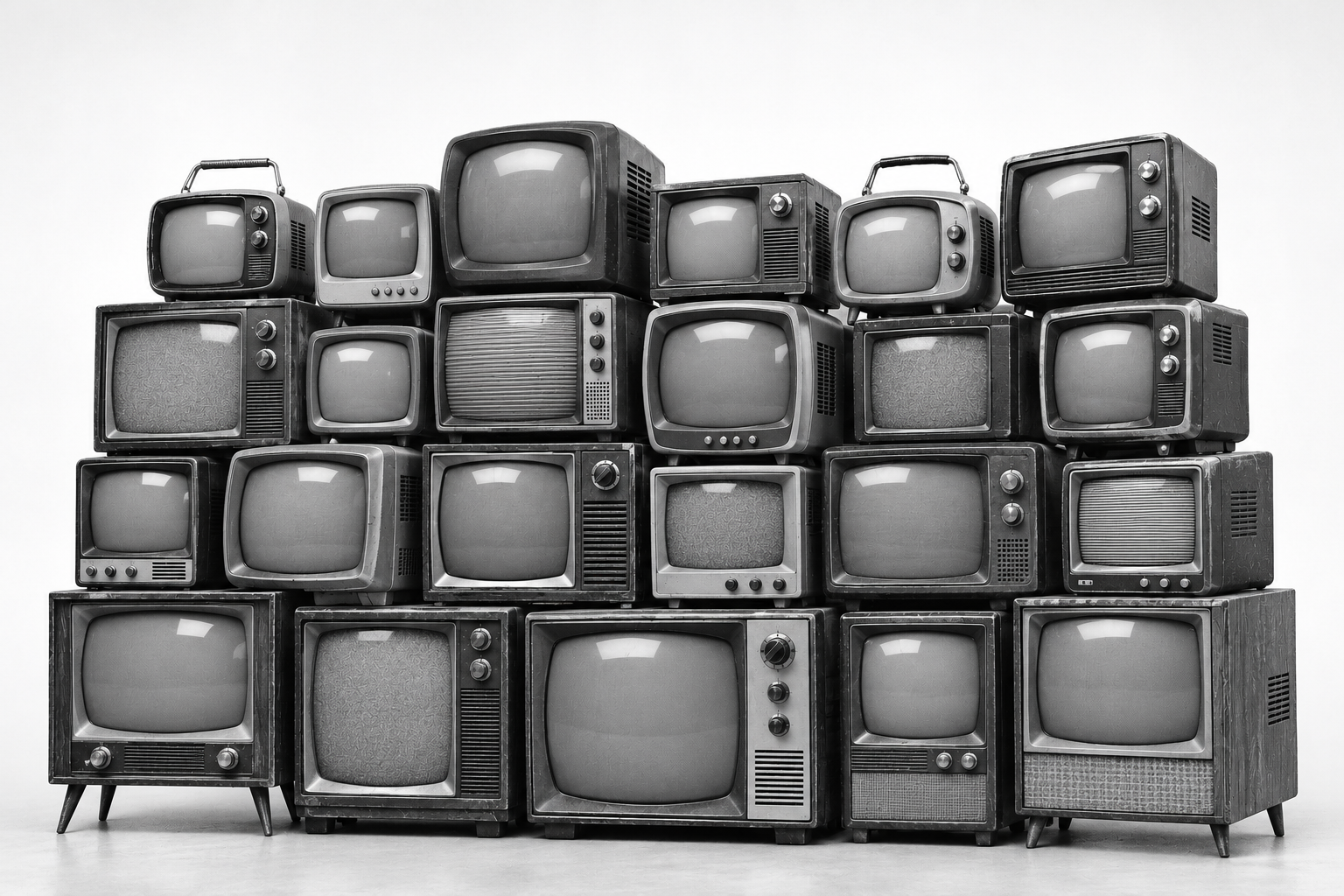
Choose CRT when the televisions themselves belong in the idea: the cabinet, glass, gaps and physical arrangement become part of the composition. Choose LED when the picture needs one continuous surface.
Analog is a process, not a costume.
A tube, a camera and a signal path each contribute something. Give that mechanism a role in the experience, not just a nostalgic look.
Design for the closest viewer
On CRT, test bold graphics, faces, logos and type through the actual playback chain. A high-resolution master does not make an older television a high-resolution display.
For LED, specify pixel dimensions, pixel pitch and audience distance together. Test the smallest required text where people will actually stand.
Agree what goes to each screen
What changes when the feed changes?
The same televisions can carry very different images. Compare a repeated feed, separate feeds and one composition mapped across the wall.
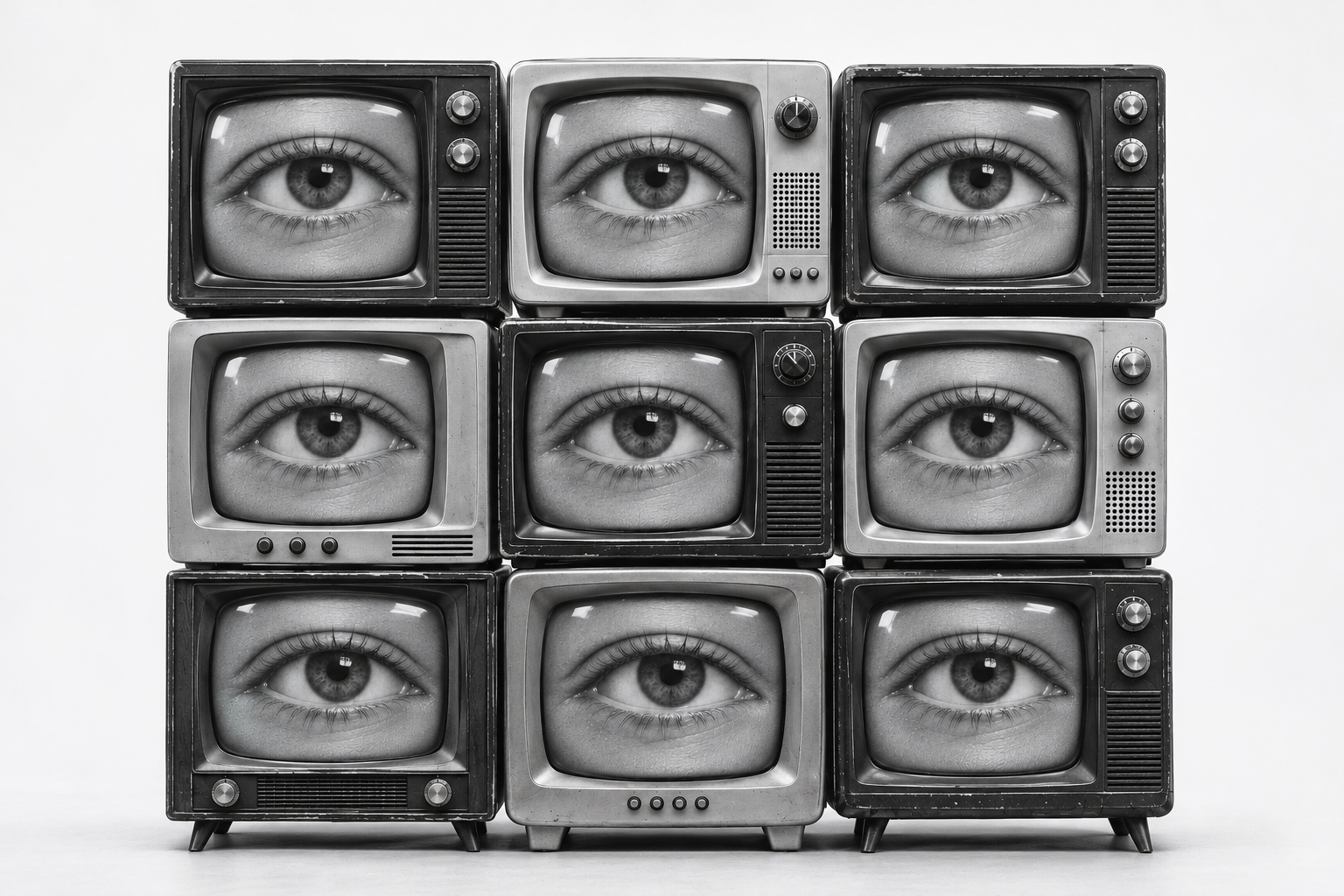
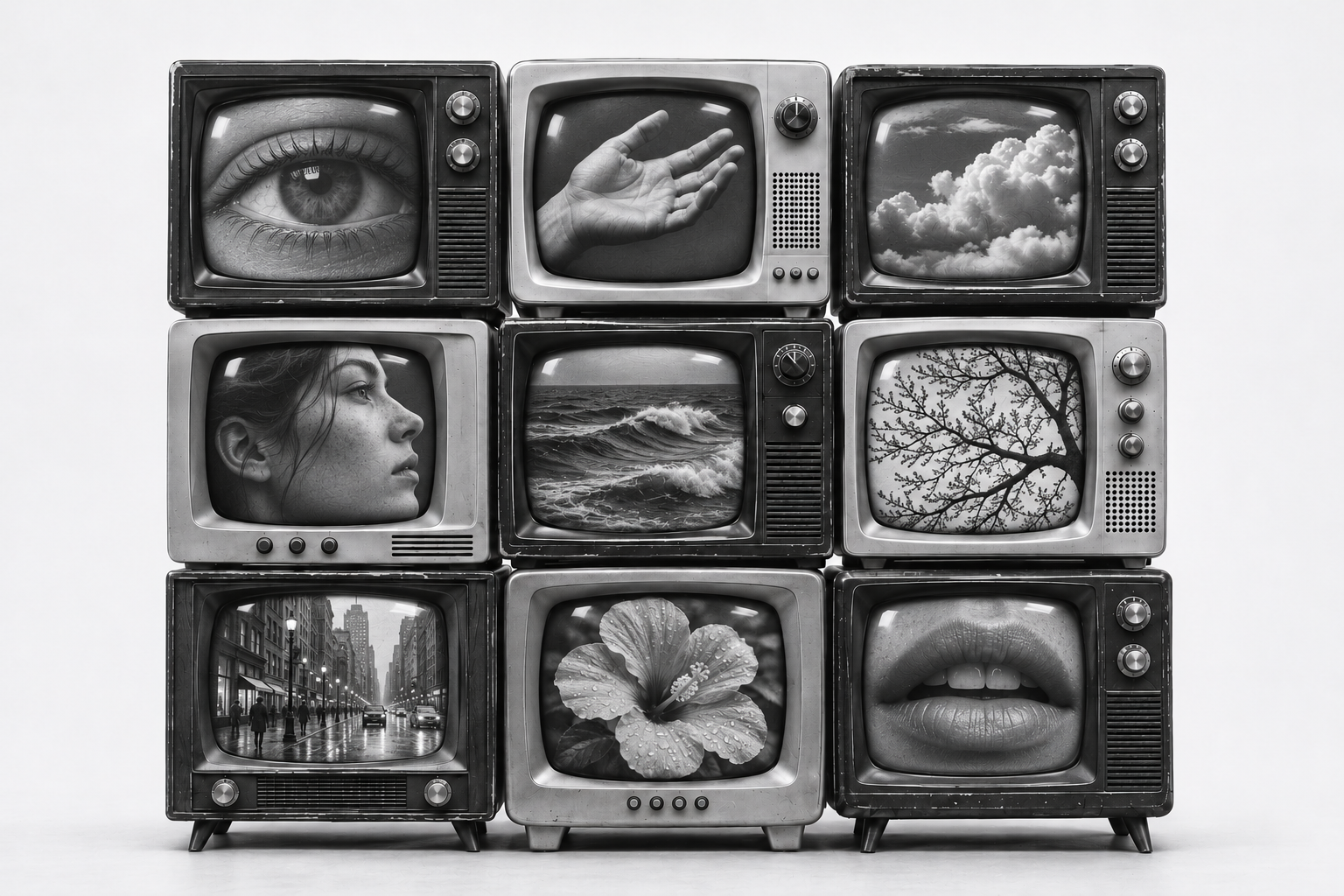
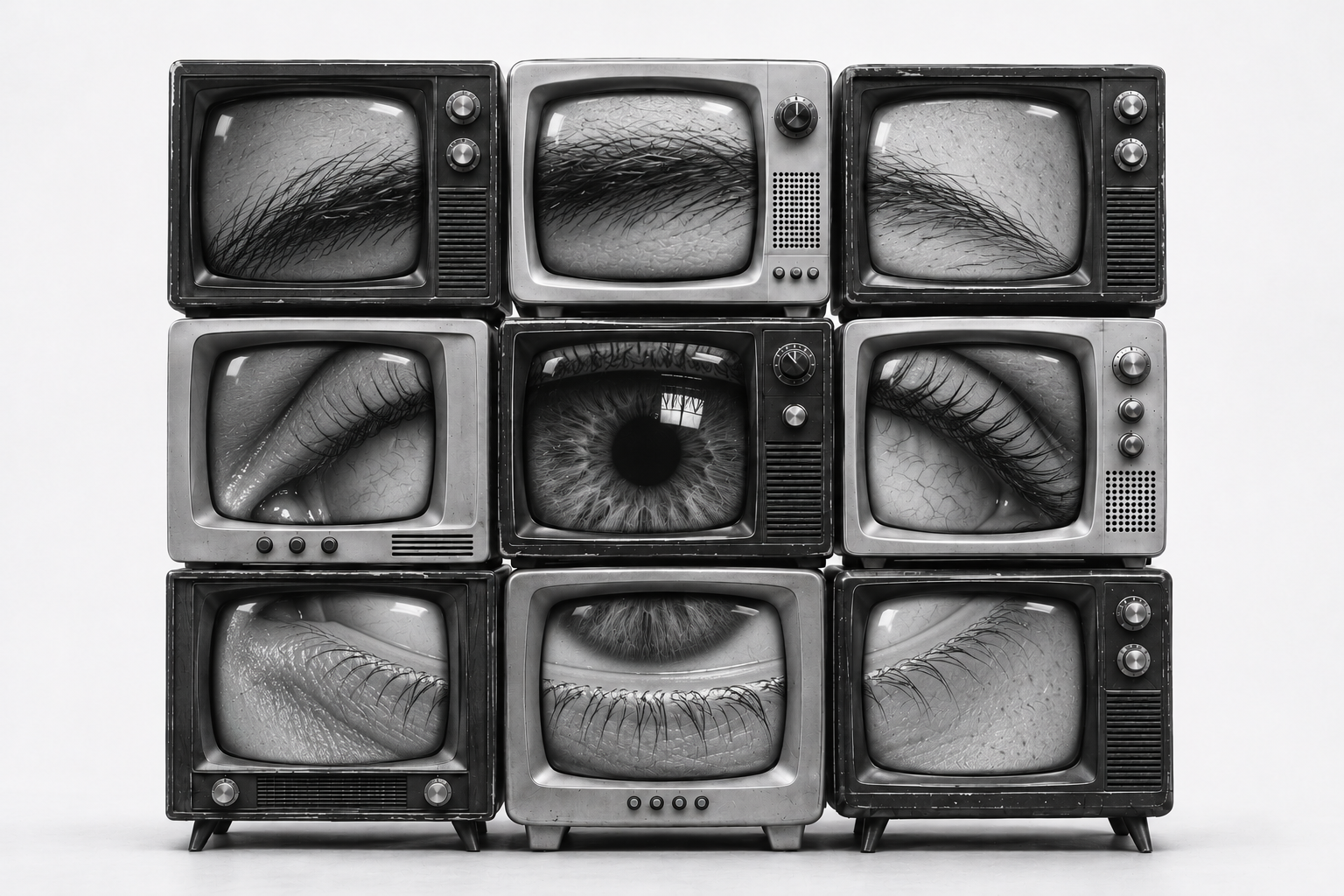
One feed repeated: every television receives the same picture. Cabinet shapes and gaps still change the composition.
Each approach needs its own content and signal-routing plan.
Screen count is not output count. Independent feeds, a mapped picture and a live camera each need their own routing and operating plan. LED also needs content prepared for its exact pixel canvas.
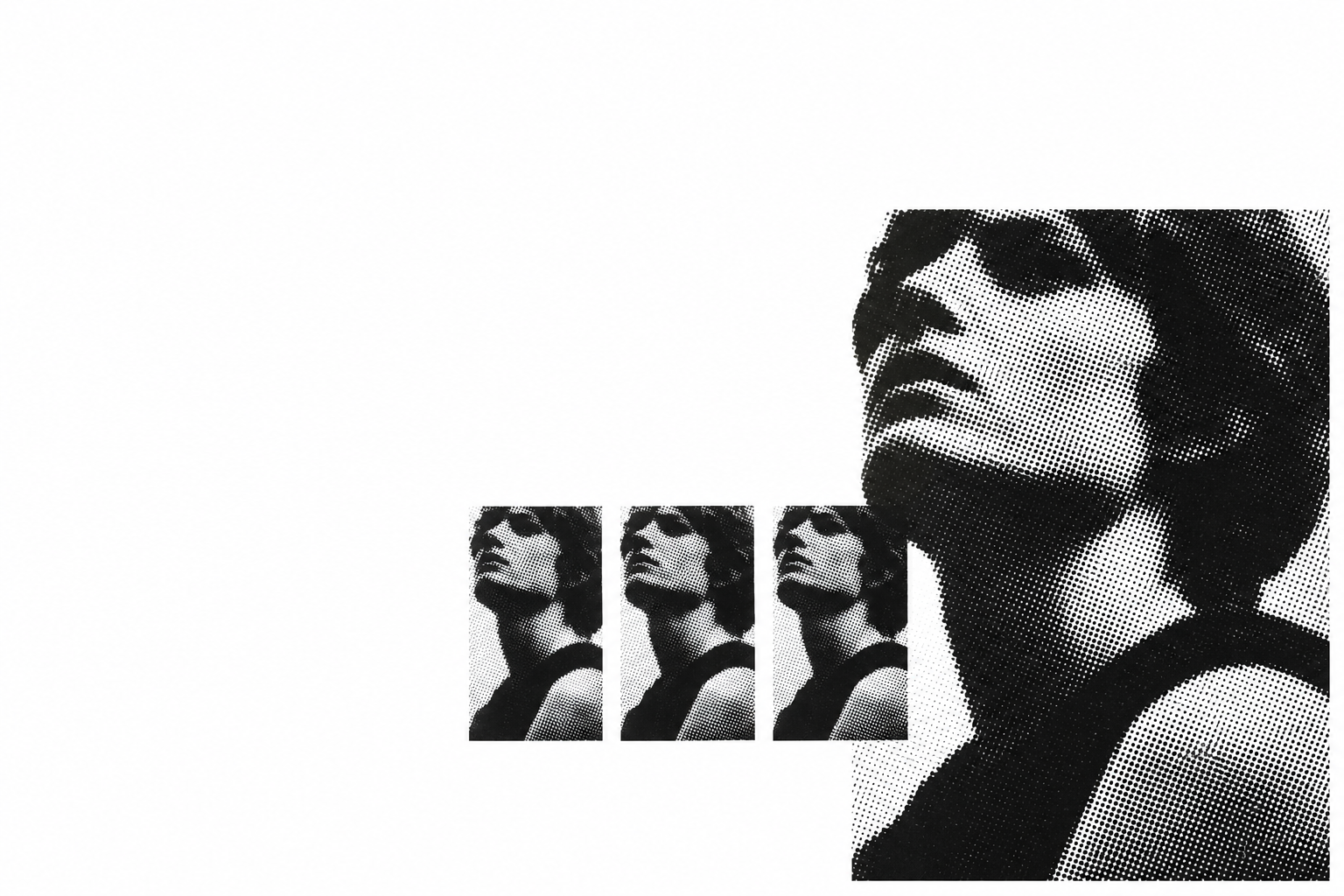
A camera can bring the room into the image.
Test the camera with the wall
CRT can show rolling bands or flicker. LED can show its own timing and image artifacts. Neither is automatically camera-safe.
Test the intended camera, lens, shutter, frame rate, content and lighting together. Include representative phones when guest capture matters. There is no universal setting that guarantees every device will behave alike.
Plan the whole room
Confirm load-in, footprint, support, power, ventilation, audience access and strike. Agree who operates playback, live feeds and cue changes, and who captures the experience.
Outdoor conditions need equipment specifically suited to them. Access and on-site support belong in the build plan, not an assumption.
Compare complete scopes
There is no universal cheaper option. Compare the same brief: hardware, content, processing, transport, support, crew, setup, operation, strike and capture.
Design the encounter.
Where does someone stand? Do they watch, move through, make an image or send one back? Start there. The answer may be CRT, LED or a combination.
When LED is the better answer
Start with LED for a continuous film, large shared presentation or detailed graphics at a defined viewing distance. Specify the system for the image and the room, not simply the biggest available screen.
When CRT earns its place
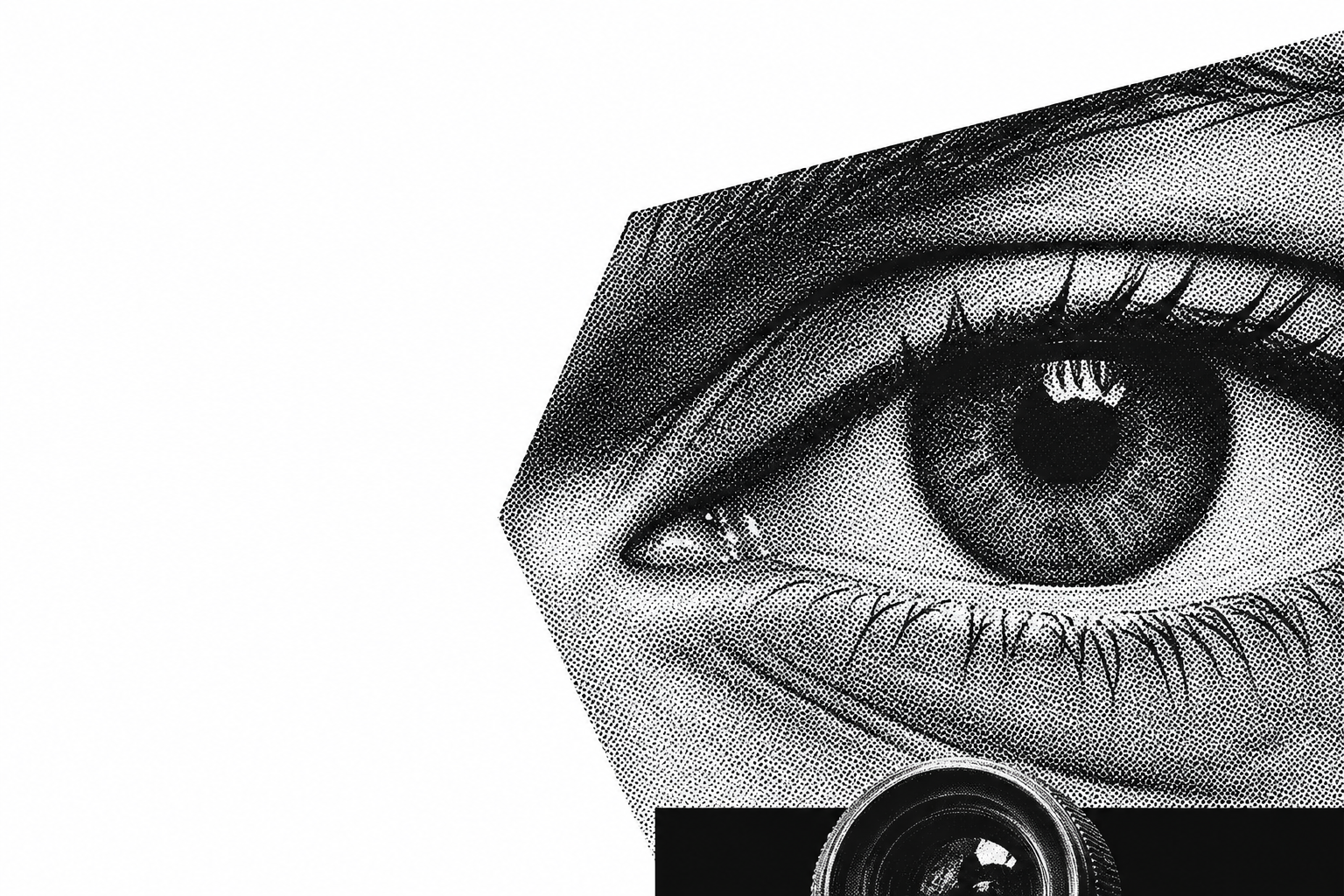
Give the physical format a role in the idea.
Choose CRT when physical televisions or a live-camera moment serve the idea. See the B&H x Twitch installation, plan an off-site build, or bring the shoot to our Brooklyn studio.